


Kotohiragū Shrine
An Inspiration to Pilgrims and Artists
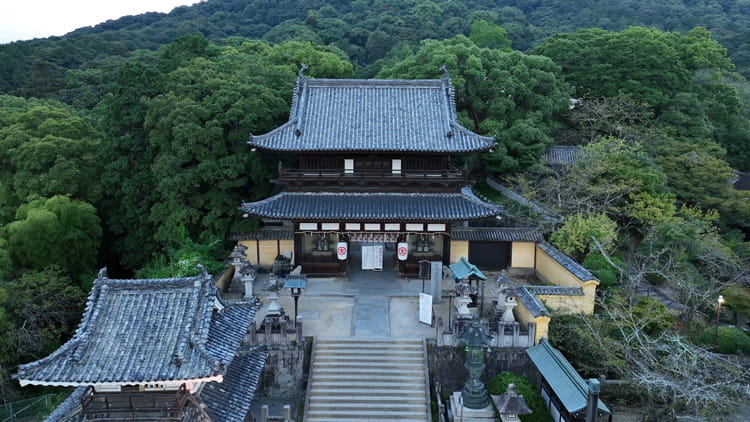
Kagawa Prefecture's Kotohiragū Shrine, also known as "Konpira-san," sits on the slope of Mt. Zōzu. It enshrines the deity Ōmononushi-no-Kami and the deified spirit of Emperor Sutoku. For centuries, pilgrims have journeyed to pray for success in farming, trade, medicine, and seafaring. Today, visitors can walk the same path they traveled.
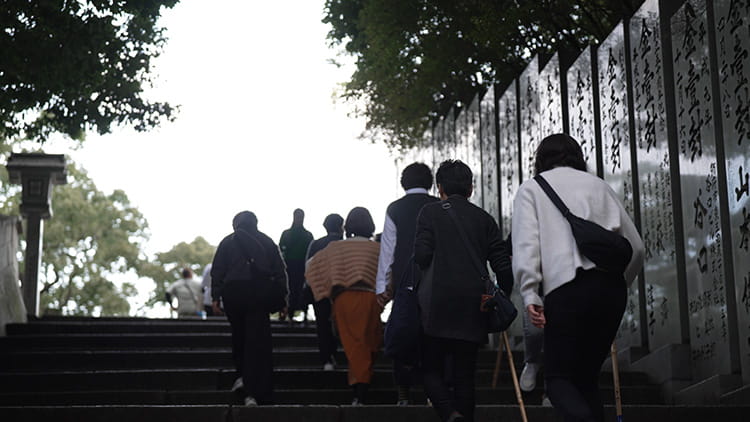
The path to the Main Shrine is a flight of 785 stone steps. The strenuous climb is meant to purify both the mind and the body in preparation for approaching the gods.
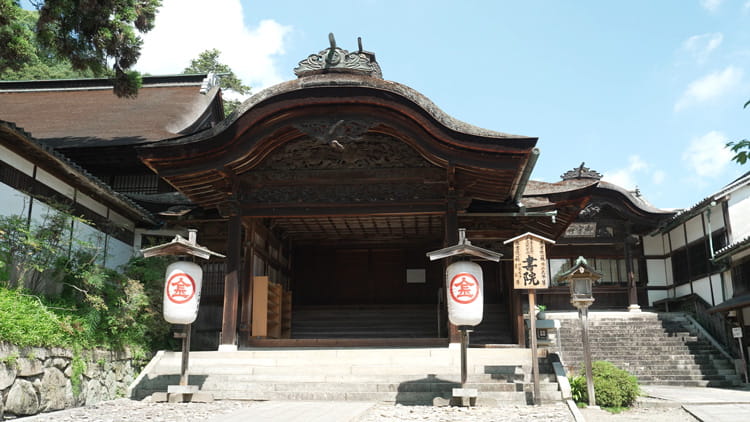
The path leads to many notable landmarks. For example, at the 477th step, there is a reception hall called Omote Shoin. The hall was constructed around 1659 as a place for important visitors to await audiences with the head priest. The building's walls and sliding doors are decorated with cranes, tigers, and rushing waterfalls. These dynamic masterpieces were created by the eighteenth-century painter Maruyama Ōkyo. The walls of the neighboring Oku Shoin reception hall are adorned with a variety of flowers by Itō Jakuchū, another eighteenth-century master. Oku Shoin is open only on special occasions, so each chance to view it is precious.
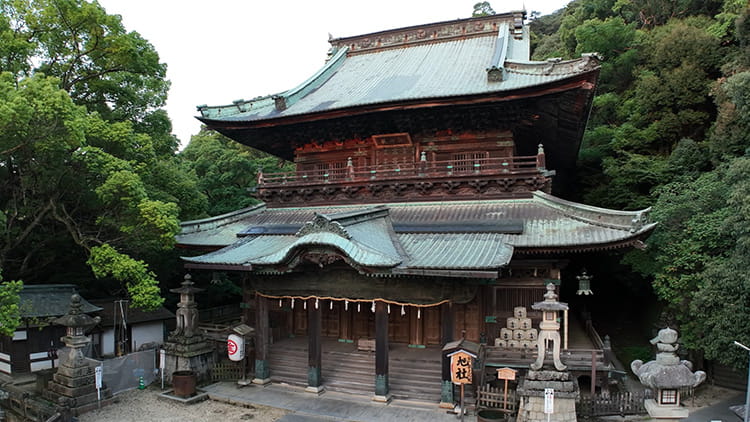
A hall called Asahi no Yashiro, nicknamed "Asahi-sha," stands at the 628th step. This elegant wooden building was completed in 1845. Its construction, achieved through the financial support of thousands of donors, took 40 years. The tail rafters and woodwork under the eaves are intricately carved with clouds, dragons, and other creatures, real and imaginary.
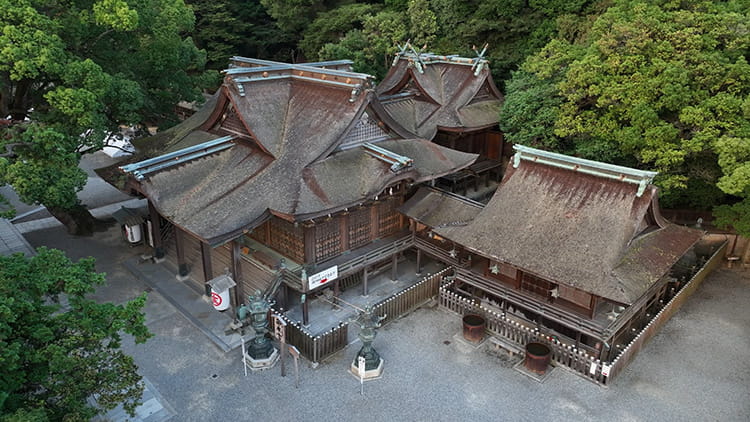
The shrine's Main Hall has a hip-and-gable roof with traditional cypress-bark shingles. The hall's interior and exterior are decorated with cherry blossoms depicted in Urushi lacquer sprinkled with gold powder.
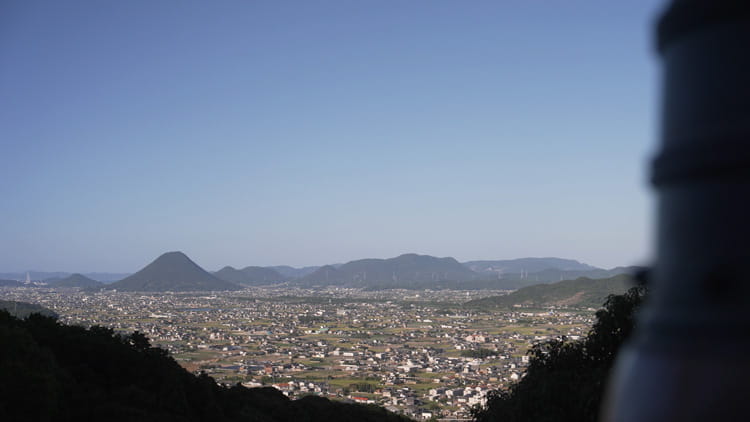
The view from the Main Hall overlooks the verdant Sanuki Plain. In the distance is the Seto Inland Sea as well as the conical Mt. Iino, which is called "Sanuki Fuji" for its resemblance to Mt. Fuji.
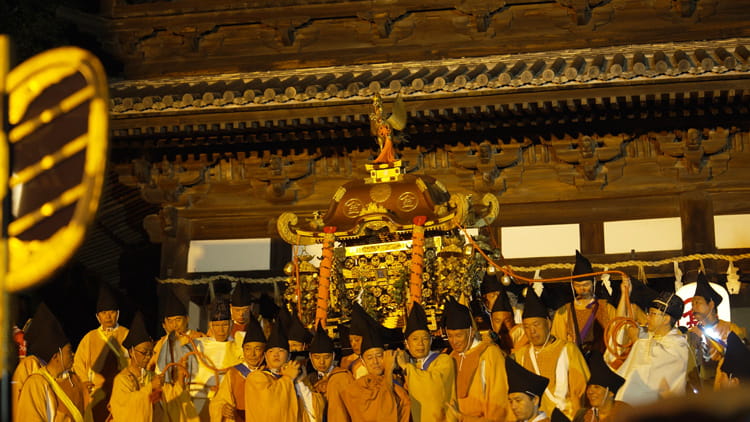
Kotohiragū hosts a variety of festivals and cultural events throughout the year. During a three-day autumn festival in October, the deities of the shrine are paraded through the streets in portable shrines over two days. In the first three days of January, roughly half a million people make the trek up to the Main Shrine for New Year's visits. On the grounds of Omote Shoin, priests of the shrine demonstrate kemari, a ritual of kicking a ball to keep it in the air. It was popular with court members over a millennium ago, and in 1974, this practice was designated an Intangible Folk Cultural Property of Kagawa Prefecture. Whether for pilgrims or the local community, Kotohiragū continues to thrive as a center for religious and cultural activities.
Links


令和7年度文化財多言語解説整備事業